trusted wildlife control for safe removal
Full-Scale Wildlife Control: Defending Your Property Naturally
Comprehensive wildlife control delivers a well-rounded method for addressing common intruders on residential properties. By utilizing natural and humane methods, homeowners can effectively discourage animals while maintaining local ecosystems. Understanding the behaviors of these wildlife species is vital for executing practical measures. As property owners pursue solutions, questions surface about the most effective techniques and the importance of living in harmony. What practical steps can be implemented to guarantee safety without harming wildlife?
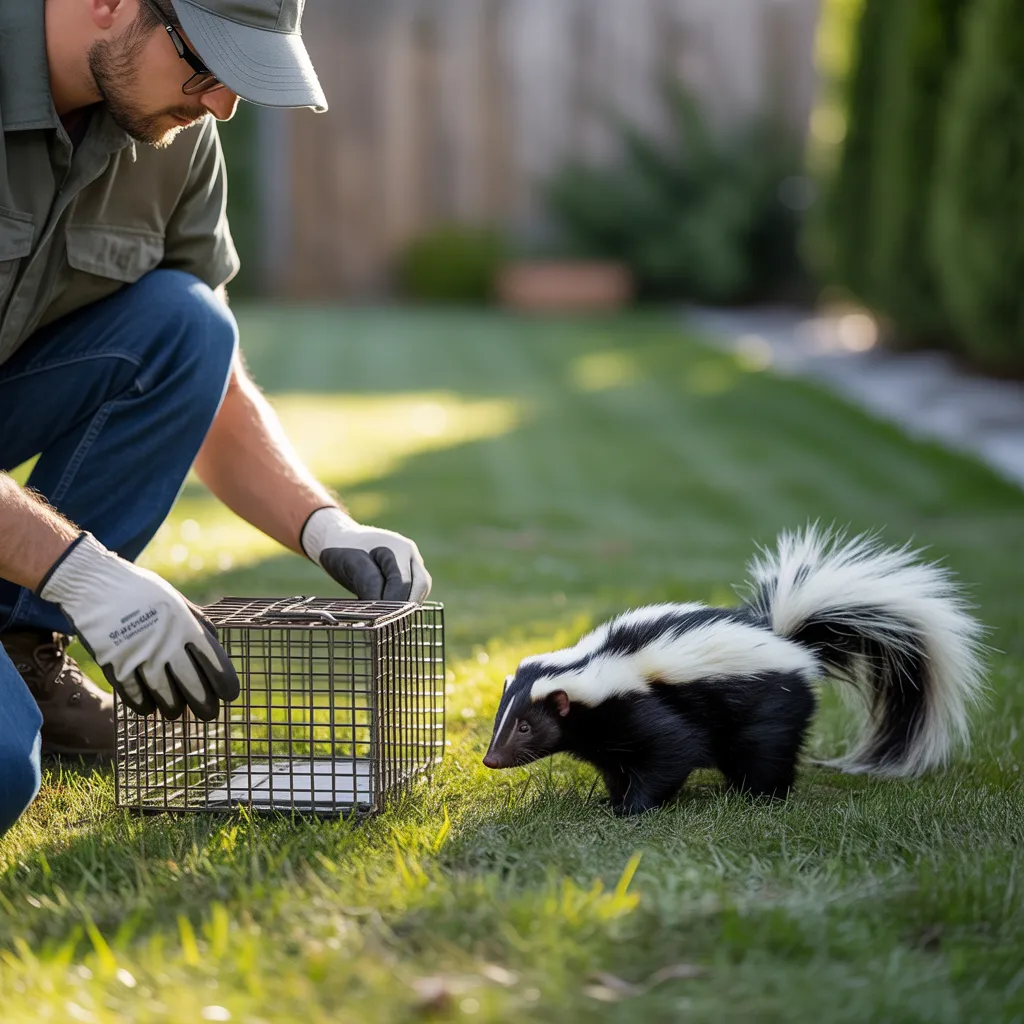
Common Wildlife Intruders and Their Behaviors
When homeowners encounter wildlife intruders, recognizing their habits is essential for successful management. Common wildlife intruders include raccoons, squirrels, skunks, and deer, each demonstrating specific habits that can influence home environments. Raccoons are nocturnal and often forage for food in garbage cans, demonstrating an agility that enables them to access bins. Squirrels, known for their agility, can easily access attics and roofs, motivated by the search for nesting sites or food. Skunks, while generally docile, can become a nuisance when they dig for insects or grubs in lawns. Deer, attracted to yards and garden beds, can inflict considerable harm while grazing on plant life. By understanding these tendencies, property owners can more accurately foresee intrusions and equip themselves for likely wildlife confrontations, laying the groundwork for effective management strategies. Understanding the specific habits of these animals is fundamental for maintaining a harmonious coexistence.
Key Methods for Successful Wildlife Management
Effective wildlife control requires a comprehensive approach that includes environmental modification methods, organic deterrents and repellents, and humane trapping techniques. These strategies work to minimize human-wildlife conflicts while supporting a healthy ecosystem. Learning and applying these methods can lead to long-term solutions for controlling wildlife intrusions.
Habitat Modification Strategies
A variety of habitat modification strategies can significantly limit wildlife conflicts in urban and suburban areas. By changing the landscape, property owners can make their spaces less inviting to unwanted animals. This includes limiting food accessibility by properly securing trash, employing bird feeders that discourage larger animals, and clearing away dropped fruit or animal feed. In addition, reducing shelter opportunities is essential; managing dense vegetation and sealing building openings can reduce nesting opportunities. Proper management of water sources requires eliminating standing water, which draws in numerous wildlife species. Putting these techniques into practice not only shields properties but also encourages a healthy ecosystem, allowing wildlife to thrive in their natural habitats while limiting unnecessary human-wildlife contact.
Natural Repellents and Deterrents
Natural deterrents and repellents serve a vital function in addressing wildlife activity in residential areas. These approaches rely on natural components to establish boundaries that prevent animals from accessing properties. Common examples include using predator urine, citrus scents, or vinegar, which can deter various species such as raccoons, deer, and rodents. Furthermore, growing particular herbs such as mint or lavender can ward off pests while improving the surrounding landscape. Motion-activated devices emitting sounds or lights can also be effective, providing a non-lethal means of keeping wildlife at bay. How well these approaches perform typically copyrights on the targeted species and the conditions of the area where they are implemented. Implementing these natural options fosters a harmonious coexistence between humans and wildlife.
Safe Trapping Methods
Proper trapping methods are fundamental to responsible wildlife control, protecting both people and animals alike. Successful approaches prioritize humane traps that reduce stress and harm to captured wildlife. Non-lethal live traps, crafted to capture without causing harm, permit safe animal relocation, while snap traps can quickly and humanely dispatch smaller pests. Careful bait choices draw in target species without endangering non-target wildlife. Frequent monitoring of traps is essential to prevent animals from enduring lengthy confinement. Additionally, placing traps in strategic locations, such as near entry points or feeding areas, enhances effectiveness. Above all, following local guidelines concerning trapping and wildlife relocation is critically important, explore article encouraging responsible conduct and guaranteeing alignment with wildlife protection legislation. These practices foster a comprehensive and balanced approach to wildlife population management.
Why Humane Approaches Are Essential in Wildlife Management
While wildlife management frequently requires challenging choices, emphasizing humane approaches is crucial for cultivating a harmonious ecosystem. Humane techniques not only limit suffering but also support peaceful coexistence between humans and animals. Through the use of non-lethal strategies, including relocation and habitat alteration, wildlife managers can minimize conflicts while safeguarding animal welfare.
Furthermore, ethical approaches support public endorsement and beneficial community engagement. When people view wildlife management as responsible and humane, they are more likely to engage in conservation efforts and support local initiatives. These techniques further support biological diversity, because they permit wildlife communities to prosper without needless disturbance.
At its core, focusing on ethical approaches in managing wildlife develops a greater awareness of natural ecosystems. This perspective supports the notion that people and animals can live together peacefully, promoting respect for nature while properly handling issues that may emerge in common spaces.
Proven Methods for Wildlife Control
When considering wildlife control, successful approaches include habitat modification techniques and the use of naturally derived deterrents and repellents. Such approaches are designed to decrease instances of human-wildlife interaction while supporting a balanced ecosystem. By implementing these approaches, communities can foster a more harmonious coexistence with local wildlife.
Habitat Adjustment Strategies
Modifying habitats serves as a preventative approach to wildlife control, considerably lowering the chances of undesirable wildlife interactions. By changing the landscape, property owners can reduce the factors that draw wildlife. For instance, securing trash in animal-proof containers and removing standing water can repel unwanted animals. Additionally, pruning dense foliage and blocking access points in buildings assists in eliminating potential shelter areas. Establishing physical boundaries, such as enclosures, can further restrict wildlife access to gardens or yards. Adopting these measures not only secures property but also encourages a balanced ecosystem, allowing native species to thrive while keeping unwanted animals at bay. Overall, environmental adjustment effectively fosters a more secure and balanced living environment for people and animals alike.
Organic Deterrents and Repellents
Modifying the habitat establishes a basis for successful wildlife management, but combining these efforts with natural deterrents and repellents can further enhance protection against unwanted animals. A range of natural substances act as powerful barriers against typical pests. As an example, potent aromas such as peppermint oil, vinegar, and citrus effectively repel rodents and insects. Moreover, predator urine, which can be purchased commercially, helps discourage smaller animals by mimicking the presence of a natural threat. Planting certain herbs, such as lavender or basil, may also help repel unwanted visitors. Incorporating motion-activated devices that emit sounds or lights can effectively frighten animals away. Through the application of these natural approaches, property owners can establish a less appealing environment for wildlife, minimizing the chances of intrusions while staying environmentally conscious.
Developing a Protected Environment for Wildlife and Your Home
Developing a protected space for wildlife and residential properties necessitates a balanced approach that addresses the needs of both. Homeowners can adopt strategies that encourage harmonious living while maintaining home security. This includes securing trash bins and compost piles to prevent uninvited animals, as well as incorporating indigenous plants into yard design, which create suitable environments for local wildlife.
Adequate fencing can define boundaries that shield gardens without causing harm to wildlife. Adding birdhouses and bat boxes boosts biodiversity while providing homeowners with natural pest control benefits.
Moreover, reducing reliance on chemical pesticides fosters a thriving environment, offering advantages to both wildlife and human inhabitants. Consistent structural maintenance, like patching gaps and mending screens, further discourages animal entry.
When to Contact a Professional for Wildlife Control
When is it appropriate for homeowners to pursue expert help with wildlife control? Should a homeowner face wildlife that creates a health concern, including raccoons or bats, it is essential to obtain professional help. Furthermore, when wildlife starts establishing nests in attics, walls, or basements, expert involvement is recommended to avoid damage to the property. Evidence of continued wildlife activity, including unusual sounds or droppings, suggests the need for an expert's inspection.
Furthermore, when animal behavior becomes aggressive or if proper removal methods are unclear to the homeowner, contacting professionals becomes essential. Wildlife management professionals are equipped with the knowledge, tools, and experience to deal with numerous species in a humane and effective manner. Additionally, regions that are home to protected or endangered species may necessitate special permits, making expert guidance essential for adhering to local regulations. At the end of the day, understanding these conditions allows homeowners to defend their property while upholding a safe and healthy environment.

Questions We Often Receive
What Are the Best Ways to Stop Wildlife From Getting Into My Garden?
To prevent wildlife from invading the garden, you should erect durable fences, apply repellents, practice good sanitation, secure trash, and cultivate unappealing plant varieties. Regular monitoring and adjustments can enhance these protective measures effectively.
What Are the Signs of a Wildlife Infestation?
Signs of a wildlife infestation include feces, damaged plants, nesting materials, tracks, and unexpected noises, like scratching or rustling sounds. Furthermore, damaged structures or burrows can indicate the presence of animals seeking shelter or food.
Are There Natural Repellents for Specific Animals?
Yes, natural repellents exist for specific animals. For example, peppermint oil deters rodents, while cayenne pepper can repel deer. Such techniques make use of smells or tastes that animals find disagreeable, working to keep them at a distance.
Are Wildlife Control Methods Harmful to Pets?
Wildlife management strategies could be dangerous for domestic animals if not cautiously executed. Chemicals, traps, and deterrents could be harmful to household companions. Responsible pet owners should ensure that techniques employed remain safe and non-toxic to their pets.
What Should I Do if I Find a Baby Animal?
Should someone encounter a juvenile animal, they should observe it from a distance to see if the mother returns. Should the animal appear to be abandoned, seeking assistance from a local wildlife rehabilitator is encouraged to provide the animal with the care and attention it needs.